Xabi Alonso's tumultuous tenure as Real Madrid coach came to an abrupt end just seven months after he took the reins, with a shock departure that raised more questions than answers. The news was met with surprise and skepticism from fans and pundits alike, given Alonso's impressive credentials as a tactician and winner in his …
El desafío imposible: la verdad detrás del fracaso de Xabi Alonso en su intento de conquistar al Real Madrid
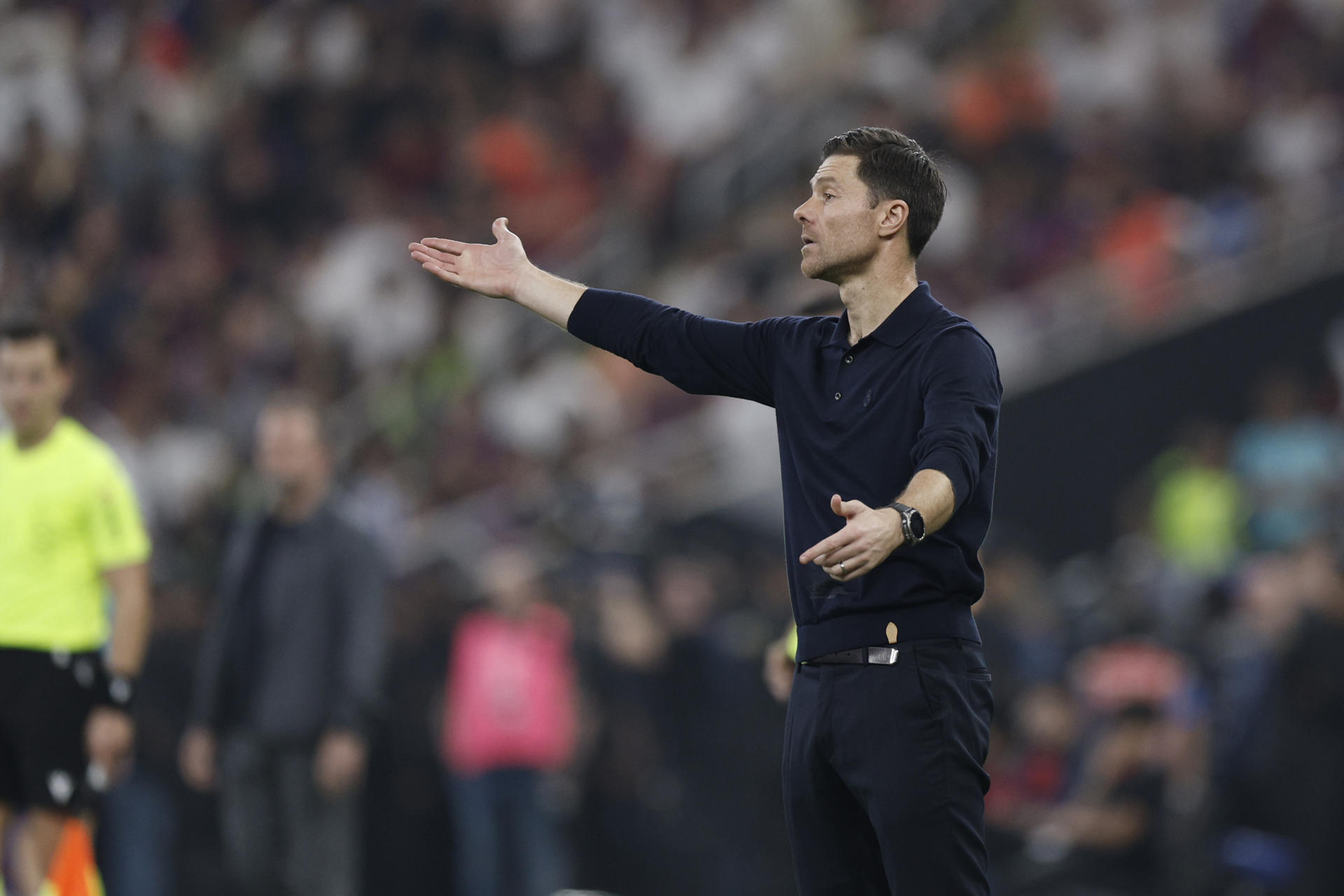
Xabi Alonso’s tumultuous tenure as Real Madrid coach came to an abrupt end just seven months after he took the reins, with a shock departure that raised more questions than answers. The news was met with surprise and skepticism from fans and pundits alike, given Alonso’s impressive credentials as a tactician and winner in his previous role at Bayer Leverkusen.
The unexpected turn of events was shrouded in mystery, with both Alonso and the club insisting on a “mutually agreed” departure, following a crushing 3-2 defeat to arch-rivals Barcelona in the Spanish Super Cup final. The suddenness of the decision has left many wondering what really went wrong behind the scenes.
One thing is clear, however: the appointment of Álvaro Arbeloa, a former Real Madrid player and current youth team coach, as Alonso’s replacement is a bold move that signals a significant shift in direction for the club. Gone are the days of bringing in an external candidate with a reputation for being a tactical mastermind; instead, the Bernabéu has opted for a more internal solution.
Arbeloa’s promotion raises questions about what kind of playing style and philosophies he will bring to the role. As a player, Arbeloa was known for his tenacious defending and versatility on the pitch, but as a coach, he lacks experience at the top level. His connection to the club, however, is undeniable, having spent 15 years playing for Real Madrid and developing a deep understanding of its culture and values.
The contrast between Alonso’s arrival and Arbeloa’s appointment couldn’t be starker. Alonso was hailed as a breath of fresh air, bringing with him a modern, methodical approach to the game that had yielded impressive results in his previous role at Leverkusen. His reputation as a winner and tactician was built on a solid foundation of success, having won multiple titles during his playing career and achieving a high level of consistency as a coach.
In contrast, Arbeloa’s path to the top job is more complex, with many wondering how his lack of experience at this level will affect his ability to lead the team. His appointment also raises questions about what kind of support he will receive from the club’s hierarchy and whether he will be given the time and resources necessary to implement his own vision.
The search for answers begins now, as Real Madrid looks to regroup and refocus under Arbeloa’s guidance. The stakes are high, with the club facing a crucial period in its history, having failed to win the Champions League in five years. The pressure is mounting, both domestically and internationally, and only time will tell if Arbeloa can steady the ship and bring success back to the Bernabéu.
As the dust settles on Alonso’s departure, one thing is clear: the Real Madrid of old has resurfaced, with its love of tradition and loyalty to internal candidates taking center stage. The question now is whether this approach will yield the desired results or leave the club stuck in a cycle of mediocrity. Only time will tell.